Antarctica: Frozen Frontier
"If you want to study and examine the Earth's past, present and future, Antarctica is the place to go."
"If you want to study and examine the Earth's past, present and future, Antarctica is the place to go."
Antarctica may seem isolated, but changes here are affecting our entire planet. In recent years, this frozen continent has seen alarming rates of ice melt, rising temperatures, and shifting ecosystems. As global warming intensifies, Antarctica's role as a stabilizer for Earth's climate is in jeopardy, raising questions about the impact on sea levels and fragile habitats. The evidence is clear: the future of Antarctica is our shared concern. Explore the data to uncover the full story.

Penguins are crucial to Antarctica's ecosystem, acting as indicators of environmental health and playing a key role in the marine food web. They prey on krill and fish, influencing population dynamics and nutrient cycling. Additionally, their presence attracts ecotourism, which supports conservation efforts. Protecting penguins is essential for maintaining the delicate balance of Antarctic habitats and the overall health of the planet.

Antarctica's ice mass is rapidly diminishing, driven by climate change and increasing temperatures. Research indicates that glaciers are losing ice at unprecedented rates, significantly contributing to global sea level rise. These changes not only threaten coastal communities but also disrupt marine ecosystems that depend on stable ice environments. Understanding these trends is vital for addressing climate challenges and preserving biodiversity.

In Antarctica, ozone levels have shown significant fluctuations, influenced heavily by human activity. The region's ozone layer, which protects against harmful UV radiation, has faced considerable depletion due to chemicals like chlorofluorocarbons (CFCs). This has led to the famous "ozone hole" that forms over Antarctica each spring. Efforts such as the Montreal Protocol have helped slow ozone depletion, but tracking its changes over time remains crucial. Monitoring these shifts helps scientists understand broader environmental impacts and aids in global efforts to restore this essential atmospheric layer.

Your support is vital for preserving Antarctica’s ecosystems. By donating, you directly aid research and conservation efforts. You can also spread awareness and engage with sustainable practices. Explore the options below for donation options and resources to get involved!

Discover various ways to get involved in Antarctic conservation efforts, including advocacy, educational resources, and community engagement initiatives. Learn how your voice can make a difference in protecting this vital ecosystem.
Take Action
Contribute to impactful projects aimed at preserving Antarctica’s unique environment. Your donations will support research, conservation efforts, and initiatives designed to combat climate change.
Donate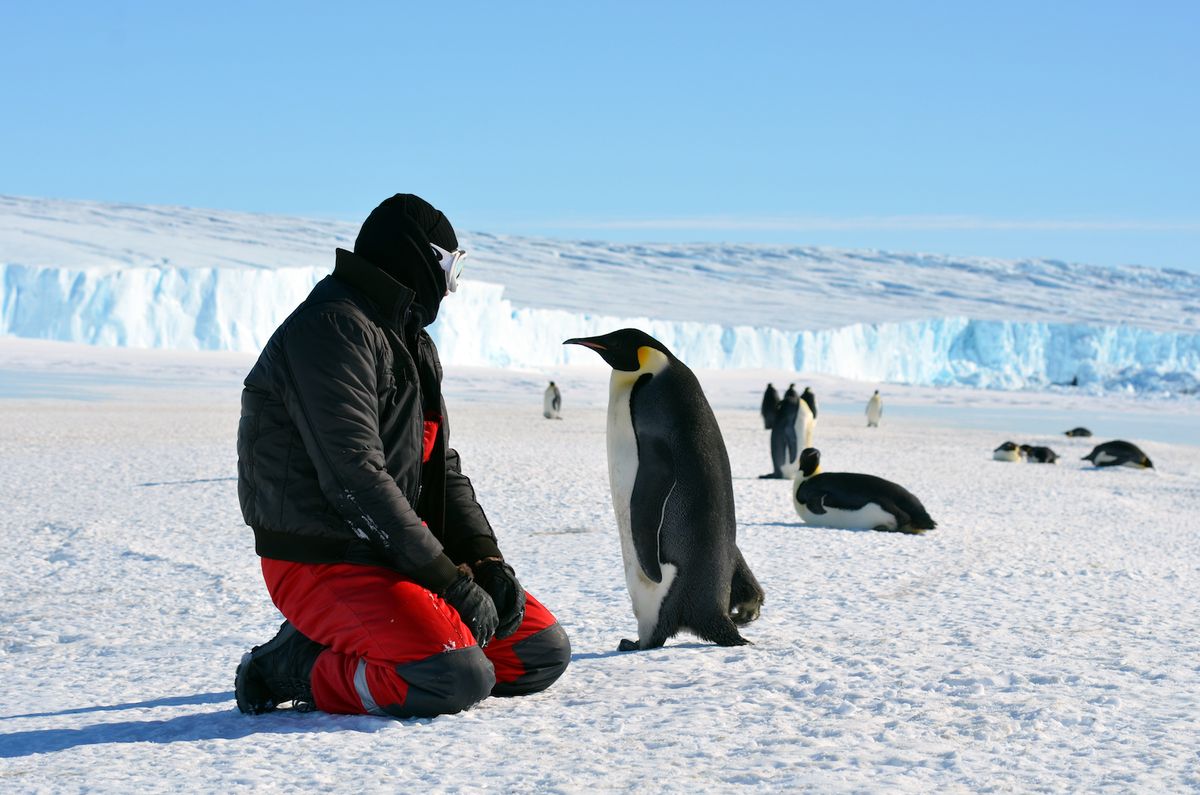
Explore actionable steps you can take to support Antarctic sustainability. This page provides information on donations, volunteering, and spreading awareness to help protect this fragile continent.
Learn More